Autoclaves
Modern, higher end, steam autoclaves (so-called Europe Class) work with pre- and post-vacuum. Before the actual sterilization process the chamber is repeatedly evacuated - in fractionizing steps - with the help of a vacuum pump.
Blood Analyzers
Blood analyzers provide medical technicians time-critical blood analysis information required to make treatment decisions quickly and accurately. These types of analyzers can measure blood properties such as red and white cell count, glucose, drugs, medication, and many others.
Chair Lifts
Chair lifts offer just the right amount of assistance for someone who requires help standing up or sitting down. To stand, the entire chair is gently lifted up and forward. To sit, the same principle is used in reverse.
Dental Carts
Dental carts usually sit beside the patient chair and offer the dentist several tools, for example drills and suction tubes, to perform the tasks required during a routine dental visit. These carts utilize compressed air to activate tools, or vacuum to draw the required air.
Gas Monitoring
Used to determinate the baseline levels of waste anesthetic gases during surgical procedures and also prior to surgery. Testing of breathing zone levels in all OR's, the recovery room and ancillary areas as required.
Nebulizers
A nebulizer consists of a nebulizer (mouthpiece) and a compressor. The airflow to the nebulizer changes the medication solution to a very fine mist.
Aspirators
Aspirators are widely used in the medical industry today and are found in hospitals and clinics as well as doctor's and dentist's offices. Thomas integrated Diaphragm, Rotary Vane or WOB-L® compressors create a partial vacuum which is used to remove fluids, tissue or foreign material from bodily wounds and injuries. High-end aspirators are mostly used in surgical procedures.
Bath Seats
The chair is designed to allow easy access in and out of bathtubs for handicapped or mobility impaired people. A strong, comfortable and lightweight molded plastic chair seats in the tub and lowers and lifts by means of a bellows that is inflated by compressed air.
Blood Pressure Monitors
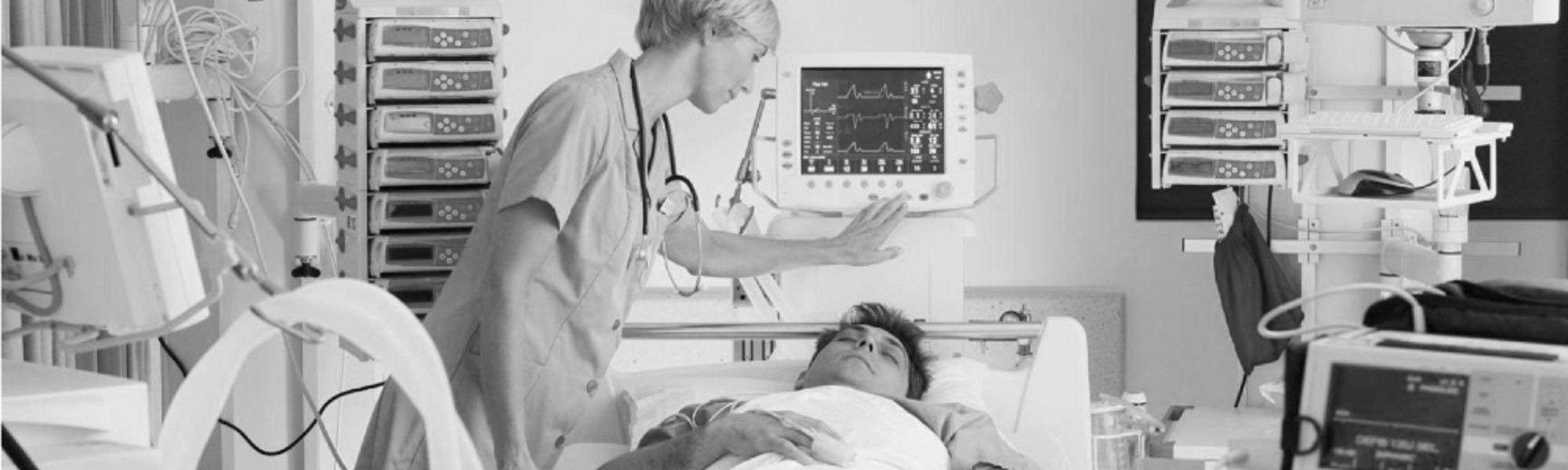
In clinical intensive care units a patient's vital signs need to be monitored at least every 15 to 30 minutes. This is accomplished with patient monitors which typically display the patient's heart rate, body temperature, respiration rate and blood pressure. A miniature compressor is responsible for inflating the cuff at the beginning of each blood pressure measurement.
Compression Therapy
The three chambers of the sleeves are filled with air in succession: Chamber 1 to 100%, chamber 2 to 80%, and chamber 3 to 60% of the set treatment pressure. All the chambers remain filled with air until the last chamber has attained the desired treatment pressure. The air is then released simultaneously from all the three chambers, and after an interval the inflation cycle begins once again.
Drug Delivery
These systems are used to dispense medication to patients in liquid form that cannot be taken by means of a pill or injection. They are usually dispensed by means of an IV. They are widely used in hospitals and medical clinics.
Hospital Beds
Pneumatic beds are commonly found today in hospitals and long-term care facilities. They are a must for patients who are confined to a bed long term for the prevention and cure of pressure ulcers commonly called “bed sores”.
Dynamic pressure redistribution is achieved by alternately inflating and deflating the mattress’ individual air cells. The result is superior pressure redistribution across the entire contact area of the body.